Ways a Patio Can Make Better Use of Your Yard
A yard can provide valuable space for relaxing, entertaining, dining, gardening, and spending time with family. However, an open lawn or unused corner may not always serve a practical purpose. Thoughtful planning can help homeowners turn underused outdoor areas into functional spaces that complement their homes and lifestyles.
Creating a dedicated outdoor area can make it easier to enjoy the yard throughout the year. Rather than treating the garden as a space that is only useful for occasional activities, homeowners can introduce features that support regular use.
Seating, dining areas, shade, lighting, and landscaping can all contribute to a more versatile environment.
A patio can provide a foundation for these improvements by creating a defined area for outdoor activities. With careful planning, it can help homeowners make better use of available space while maintaining a balanced relationship between built features, gardens, and open areas.
Create a Dedicated Outdoor Living Area
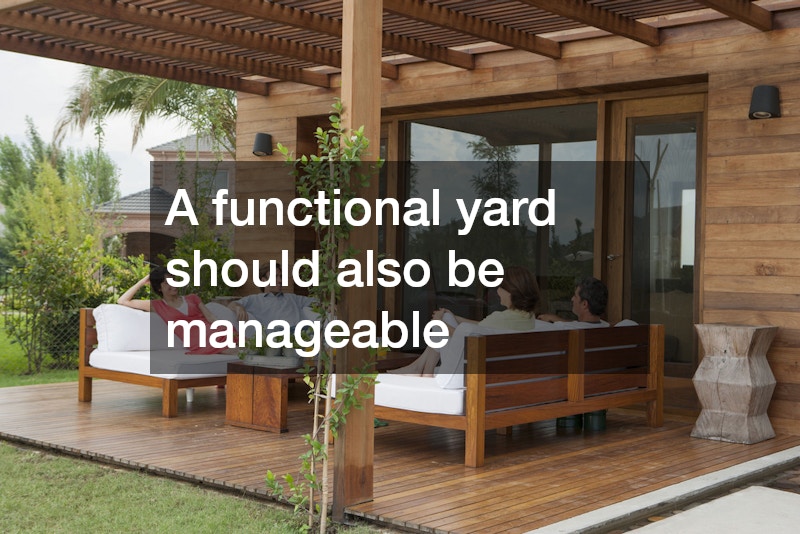
One of the simplest ways to make better use of a yard is to create a defined area for outdoor living. An unused section of grass can become a place where household members can sit, relax, read, or enjoy a meal. Incorporating some comfortable outdoor furniture and a few decorative elements can instantly transform the space into a cozy retreat.
A dedicated surface also provides a more stable area for outdoor furniture than grass or uneven ground. Chairs, tables, lounges, and other furnishings can be arranged around the intended use of the space.
The size of the area should reflect the available yard and the activities it needs to accommodate. A smaller property may benefit from a compact seating area, while a larger yard may allow separate zones for dining, entertaining, and relaxation.
Improve Outdoor Entertaining
An outdoor area can make hosting friends and family more enjoyable. Instead of keeping gatherings entirely indoors, homeowners can provide a comfortable setting where guests can socialise and enjoy fresh air.
A dining table can create a dedicated place for meals, while additional seating can accommodate conversations and casual gatherings. If the space is located close to the kitchen or another entrance, serving food and drinks can also become more convenient.
When planning for entertaining, it is important to leave enough room for people to move comfortably. Furniture should not block entrances or create narrow pathways. A thoughtful layout can make even a relatively modest outdoor area feel spacious.
Connect the Home With the Garden
Outdoor improvements should work with existing landscaping rather than making the yard feel divided. The relationship between paved areas, garden beds, trees, pathways, and lawns can influence the overall appearance and usability of the property.
Plants can be used to soften the edges of a paved area and create a natural transition into the garden. Flower beds, shrubs, pots, and other landscaping features can provide colour and texture while helping define different zones.
Pathways can also improve movement through the yard. A clear route between the house, outdoor living area, garden, and other features can make the entire property easier to navigate.
Create Practical Storage Areas
Outdoor storage can help keep garden equipment and recreational items organised. Depending on the property’s layout, homeowners may be able to incorporate storage close to their outdoor living area, such as on the patio for easy access during gatherings.
Storage solutions can accommodate gardening tools, outdoor cushions, children’s equipment, sporting goods, and other frequently used belongings. Keeping these items close to where they are needed can make outdoor activities more convenient.
Storage should be planned carefully so that it does not interfere with pathways or reduce the usable area. Built-in solutions may provide a tidy appearance, while freestanding storage can offer greater flexibility.
Consider Low-Maintenance Features
A functional yard should also be manageable. Choosing suitable materials and landscaping features can help reduce the amount of ongoing maintenance required.
Hard surfaces can provide a practical alternative to areas of lawn that require regular mowing. However, paved areas still require appropriate cleaning and care to maintain their appearance.
Plants should also be selected according to the property’s conditions. Considering sunlight, soil, drainage, and local climate can help homeowners choose vegetation that is suited to the environment.
Making better use of a yard is about more than adding new features. It involves considering how different areas of the property can work together to support everyday activities. A carefully planned outdoor space can provide room for dining, entertaining, relaxing, recreation, gardening, and storage.
A patio can help establish a practical foundation for these uses while allowing homeowners to retain open garden areas and incorporate landscaping around the finished space. When combined with suitable furniture, lighting, shade, pathways, and storage, it can transform an underused section of the property into a valuable extension of the home.
With thoughtful planning, homeowners can create an outdoor environment that suits their needs and makes the yard more enjoyable throughout the year. The result can be a balanced space that combines functionality with the natural appeal of the surrounding garden.